Laneway Mysteries

About Laneway Mysteries

We make self-guided outdoor games that turn the city into a giant escape room! Find the statue that's missing a finger. Erosion? Maybe. Or is it the key to unlocking the next stage of the trail and solving the mystery?

You can learn more about how it feels to play our games on the How To Play page

About The Laneway Mysteries Creator

Hi, I’m Eric Hass, founder and chief game designer for Laneway Mysteries. I design outdoor escape rooms and scavenger hunts that turn city streets into challenge-filled playgrounds. My background is in software and web development, with 6 years spent building sites for businesses and institutions across Australia and the UK, including The University of Western Australia. That work includes a site that won the prestigious Australian eBusiness Institute 2022 Best Website Award.

Over the past 3 years, I’ve combined that technical background with a deep dive into game design, building experiences that are challenging without being frustrating, and stories that make you want to keep exploring.

Every game I create is built with that mix in mind: solid technical bones and genuine game-design craft. I hope you have as much fun playing them as I do making them.

350+

Clues Tested

8

Games Designed

2025

Year Founded

200+

Research Hours

The Laneway Mysteries Origin Story

Growing up, my family moved around a lot, and I loved exploring each new city with them. Noticing the little details, finding out the stories behind them. This fascination never left me, even as an adult while I built a career building websites and software.

Then my girlfriend introduced me to escape rooms, and I fell in love (with both. Should clarify that in case she’s reading). One Christmas, we (she) decided it would be fun to do homemade presents, so I put my digital skills to work and made her an escape room, using the Perth CBD in place of the room.

I properly went for it – read every escape room design book I could get my hands on, researched the local history, got a few of my mates to test it first. You get the idea. She played it, and loved it.

Then some of my other mates started asking me if they could play it. Then some of her friends asked. I realised I could create something that was allowing other people to experience what I enjoyed, the thrill of exploring, noticing what others pass by, and solving mysteries.

How A Laneway Mystery Is Made

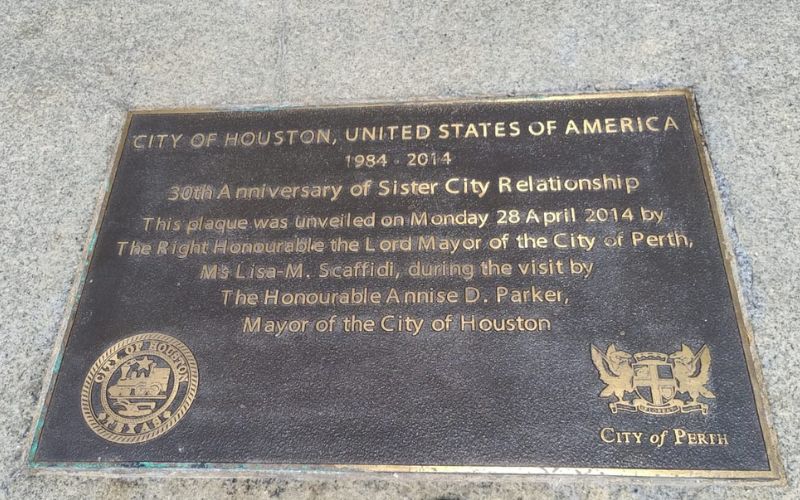
My Dad instantly noticed the mistake on this plaque outside Council House in the Perth CBD. Took me about 10 minutes to spot it. I'd have walked straight past it if he hadn't been there

Exploring The Area

I research, design and test every game. It starts with several walks through the location, ideally with my Dad. As well as being good company, he’s also weirdly good at spotting tiny details. When I was trying to get away with stuff as a teenager, that was massively annoying. As an adult making mystery games, it’s brilliant. 

Together we photograph carvings, symbols, public art, and architectural features that we think could be useful for a clue. The aim isn’t to just visit famous landmarks, but to spot the details thousands of people walk past every day without noticing.

Researching The Area

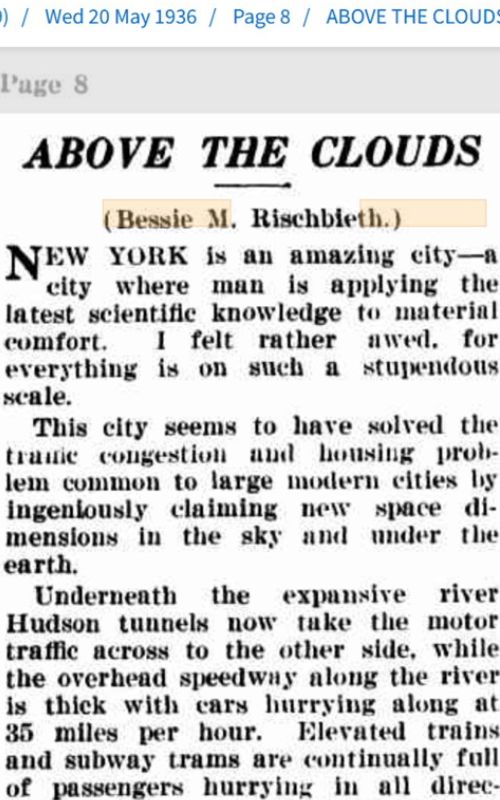
I research each area using sources like local library archives, municipal heritage registers, historical newspapers and publications from historical societies like the Royal Western Australian Historical Society.

Where they fit naturally, these stories are woven into the game. Historical details are based on published sources, while the surrounding mystery narrative is fictional unless stated otherwise.

Key sources are acknowledged on each game page.

Combing through historic newspaper articles to find the stories behind the city's iconic places to include in the games is one of my favourite ways to spend an afternoon.
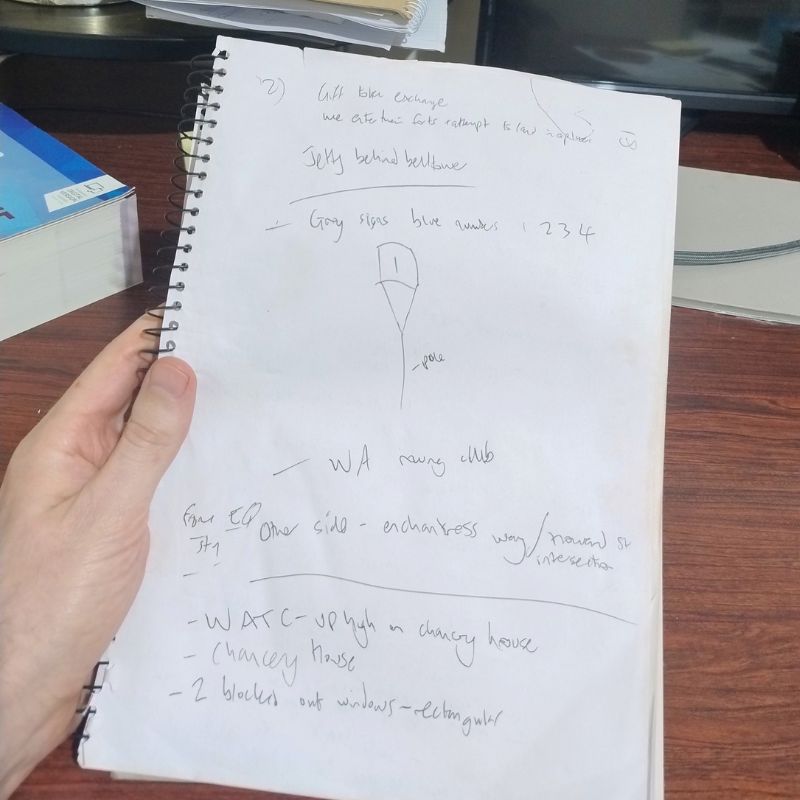
A process is important, but the first reaction of an experienced designer when they visit the location is also valuable. I use this notebook to jot down my gut reaction to what would make the best clue at each location. Thanks to all the people that message in to tell me I have the handwriting of a 3 year old who's got into the coffee jar. There's a reason I'm a mystery games designer, not a calligrapher 😉

Building The Clues

Back at home, I turn the details gathered during each walk into a library of potential clues.
 
My custom-made design toolbox draws on years of playing escape rooms, reading design books and developing hundreds of clue ideas across categories like observation, matching, pattern recognition, ordering and wordplay.
 
I test each landmark against these categories, then combine suitable clue types. Easier puzzles may involve one clear step, while harder ones often chain several types of thinking together. The most difficult may also include a fair red herring to make the final “aha!” moment more satisfying.
 
The process is systematic without being formulaic. The checklists help me avoid repeating the same puzzle styles, while creativity and experience determine which ideas are worth developing and adding to the area’s clue library.

Testing And Grading The Clues

This is the really fun bit. Every clue is tested by people who were not involved in creating it. We try to get people from all walks of life, if you’d like early access to puzzles then you can apply to be a tester here.
 
I record solve times, hint use, common wrong turns and player feedback. Clues are then refined, tested again or removed.
 
Successful clues are graded from one to five stars based on how challenging they proved for real players, rather than how difficult I expected them to be.

For A Clue To Survive The Testing Process:

Testers at Perth's First Contact statue under the watchful eye of my Mum. She's the most 'attuned to how other people are feeling' person I know, and she gives great insights that really help me to improve the game flow

Building The Game

Tested clues are used to build mysteries at different difficulty levels.
 
A one-star game is built mainly from one-star clues. A five-star game uses mostly four- and five-star clues, but experience has taught me that even the toughest games benefit from a couple of easier puzzles added deliberately to vary the pace and give teams moments to regain momentum.
 
I also balance different puzzle types and plan a route that is enjoyable in its own right.
 
Most adventures are around 2-3 kilometres and take approximately 90 minutes to complete. They are purposefully flexible – stop for coffee, have lunch, go wherever the mood takes you, the game will be there when you get back. 
 
During route design, I consider gradients, stairs, surfaces, road crossings, lighting and access to public spaces. Each game page includes more detailed route and accessibility information.
Scroll to Top